




 Nutrition Trends for 2026
The way people think about food is changing rapidly. Nutrition in 2026 is no longer just about counting calories or following restrictive diets. Instead, consumers are looking for foods that improve energy, support gut health, strengthen immunity, and promote healthy aging while also being delicious and sustainable.
Among all emerging food trends, two categories stand out more than any others: healthy smoothies and vegetarian foods. These aren’t simply social media trends—they reflect a broader shift toward whole-food nutrition, convenient meal solutions, and plant-forward lifestyles.
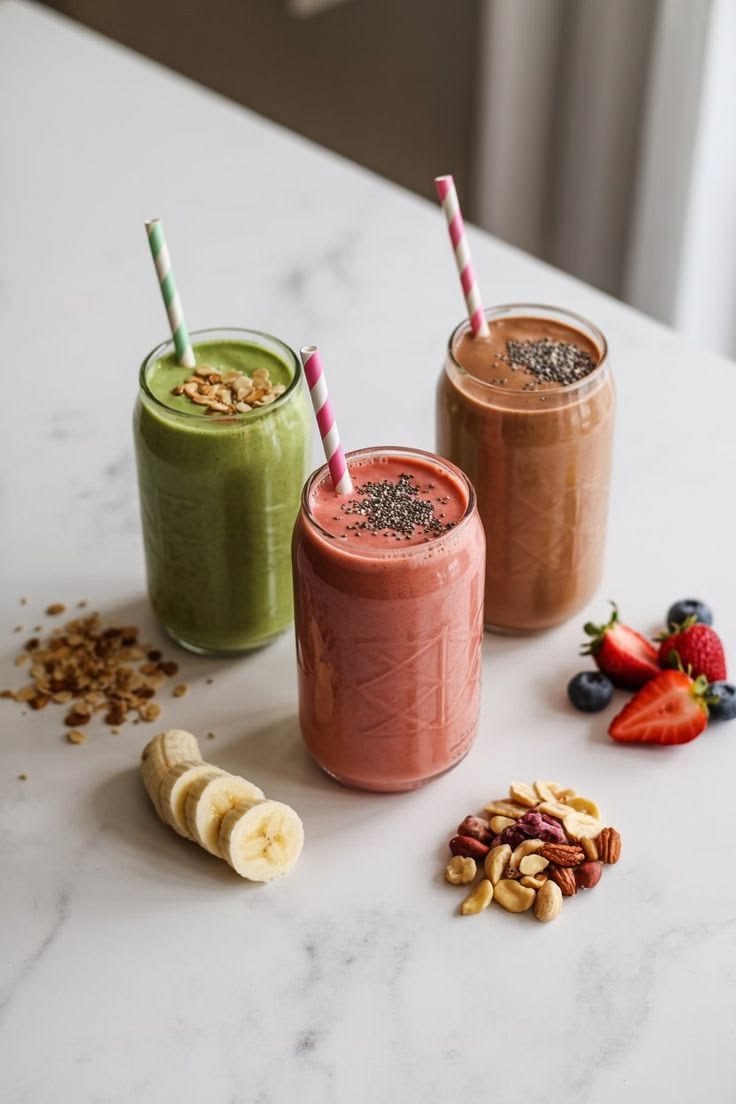
Smoothies have evolved from simple fruit drinks into complete meals packed with protein, fiber, healthy fats, probiotics, and superfoods. At the same time, vegetarian foods have become mainstream as more people embrace flexible eating patterns that prioritize vegetables, legumes, whole grains, nuts, and seeds.
Whether your goal is to lose weight, gain energy, improve digestion, or simply eat healthier, understanding the nutrition trends of 2026 can help you make smarter food choices every day.
Several factors are influencing modern eating habits:
Consumers increasingly want foods that deliver multiple benefits instead of simply satisfying hunger. Functional foods, high-fiber meals, protein-rich smoothies, and colorful vegetables now dominate grocery carts worldwide. Experts also highlight the growing demand for nutrient-dense foods, fiber, and plant-forward eating patterns. (Kerry Health And Nutrition Institute)
Healthy smoothies have become much more than breakfast drinks.
In 2026, they’re being used as:
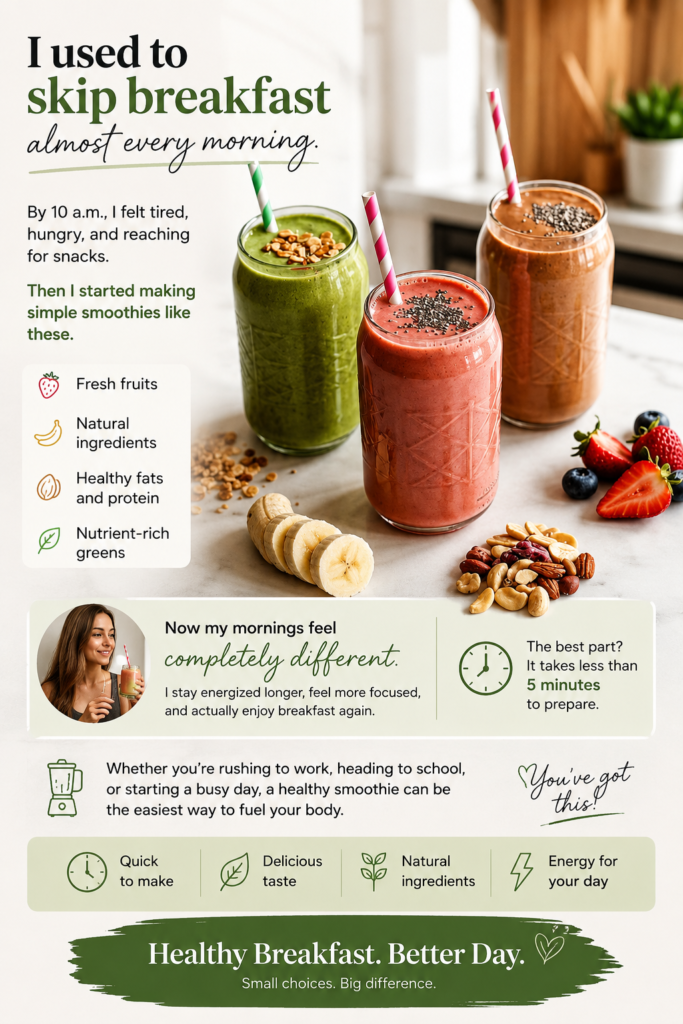
Modern smoothies combine fresh produce with nutrient-rich ingredients to create balanced meals in just a few minutes.
Unlike sugary commercial beverages, homemade smoothies allow complete control over nutrition while making it easier to eat more fruits and vegetables every day.
A properly balanced smoothie may help support:
The key is balancing carbohydrates with protein, healthy fats, and fiber instead of relying only on fruit.
These vegetables provide vitamins A, C, K, folate, and antioxidants while blending smoothly.
These fruits support gut health while adding natural sweetness.
One major nutrition trend is adding protein to smoothies.
Popular choices include:
Experts note that protein continues evolving beyond traditional shakes toward combinations with fiber and other nutrients. (FrieslandCampina Ingredients)
Healthy fats improve satiety and nutrient absorption.
Popular additions include:
Trending smoothie boosters include:
Ingredients:
Rich in:
Ingredients:
Excellent after exercise.
Ingredients:
Supports digestive health.
Ingredients:
High in protein and healthy fats.
Ingredients:
A creamy option packed with fiber and antioxidants.
Vegetarian eating is no longer limited to vegetarians.
Millions of people now follow a plant-forward diet, eating more vegetables while occasionally consuming dairy, eggs, or seafood.
This flexible approach is easier to maintain and provides a wide variety of nutrients.
Beans, lentils, and legumes continue gaining popularity because they offer affordable, sustainable sources of protein and fiber. (Eat Well Be Well)
The healthiest vegetarian staples include:
Reasons include:
A well-planned vegetarian diet can provide adequate protein using legumes, soy foods, dairy, eggs (if included), nuts, seeds, and whole grains. (Wikipedia)
Additional themes shaping healthy eating include:
These trends reflect a growing focus on everyday wellness rather than short-term dieting. (Kerry Health And Nutrition Institute)
Yes, when made with whole fruits, vegetables, protein, healthy fats, and minimal added sugar, smoothies can be part of a balanced diet.
A smoothie can replace a meal if it includes a balance of protein, fiber, healthy fats, and carbohydrates.
Beans, lentils, tofu, tempeh, edamame, Greek yogurt, cottage cheese, eggs (for ovo-vegetarians), quinoa, hemp seeds, and nuts are excellent choices.
Personalized nutrition, fiber-rich foods, functional beverages, and plant-forward eating are among the fastest-growing trends. (Kerry Health And Nutrition Institute)
Nutrition Trends for 2026 show a clear move toward whole foods, smarter meal planning, and sustainable eating habits. Smoothies have become nutrient-packed meals that make it easy to increase fruit, vegetable, protein, and fiber intake, while vegetarian foods continue to gain popularity because they are versatile, affordable, and aligned with long-term health goals.
Rather than chasing fad diets, the most successful approach in 2026 is building a balanced eating pattern centered on colorful produce, legumes, whole grains, healthy fats, and high-quality protein—whether from plant or animal sources. By embracing these trends, individuals can support energy, digestion, heart health, and healthy aging while enjoying meals that are both satisfying and nutritious.






Comments are off for this post.