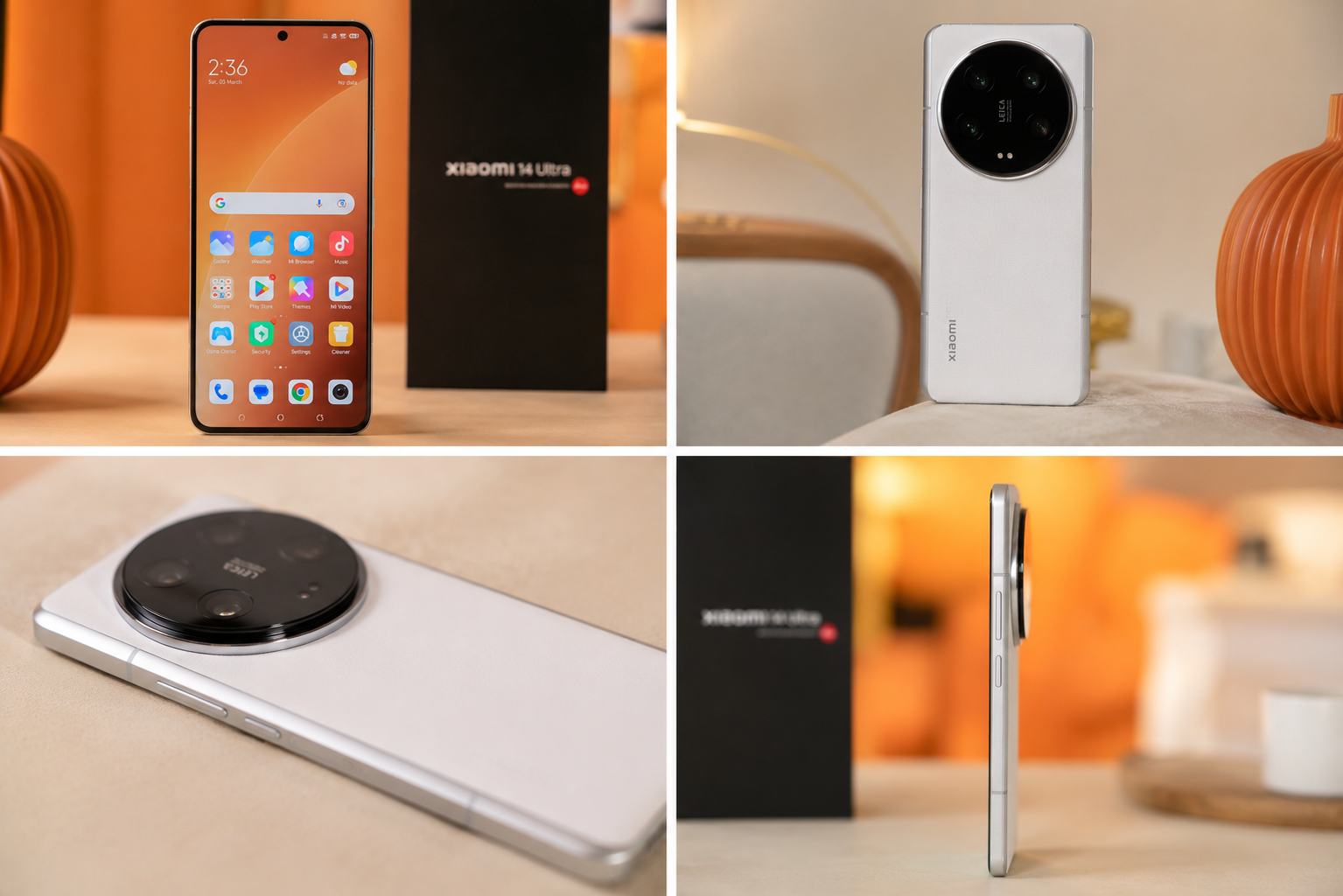
A decade ago, most phones had a single rear camera. Today, many have three or more lenses arranged in a large camera bump. Is this real progress or marketing? Here is why manufacturers add cameras and which ones make a difference to your photos.
Why not one big camera?
Phones are thin, so there is little room for the moving lens elements that a traditional zoom lens needs. Instead, manufacturers use several fixed lenses, each optimized for a different field of view, and switch between them as you zoom.
The main types of smartphone cameras
| Camera |
What it does |
Useful for |
| Main (wide) |
Largest sensor, best quality |
Everyday photos, low light |
| Ultra-wide |
Very wide field of view |
Landscapes, architecture, group photos |
| Telephoto |
Optical zoom, often 3x to 5x |
Portraits, distant subjects, events |
| Macro |
Close focusing |
Flowers, food, small objects |
| Depth sensor |
Measures distance |
Background blur in portrait mode |
Which cameras actually matter?
The main camera matters most because you will use it for the majority of photos. A telephoto lens is the most valuable second camera for many people. The ultra-wide is fun and useful for travel. Low-resolution macro and depth cameras on budget phones often add little; some phones achieve better macro shots using the ultra-wide lens with autofocus.
Software is just as important
Computational photography combines several images into one, improving dynamic range, night shots and portraits. That is why phones with fewer cameras but better processing can outperform models with more lenses.
How to choose
- Look at real-world sample photos and reviews, not just the number of cameras.
- Check low-light performance from the main camera.
- Decide whether optical zoom matters to you.
- Consider video features if you film often.
For buying advice, read best smartphone cameras for travel and best budget smartphones in Canada.












Comments are off for this post.