If you’ve spent any time browsing wellness blogs or supplement shelves lately, you’ve probably seen moringa powder marketed as the next miracle plant. Bold claims are everywhere: “more vitamin C than oranges,” “more potassium than bananas,” “more calcium than milk.” But is moringa really a superfood, or is this just clever marketing dressed up as nutrition science?
Let’s break down what moringa actually is, what the research supports, and whether it deserves a permanent spot in your pantry.
What Is Moringa?
Moringa oleifera, often called the “drumstick tree” or “miracle tree,” is a fast-growing plant native to parts of India and widely cultivated across Africa, Asia, and Central America. For centuries, communities in these regions have used nearly every part of the tree — leaves, pods, seeds, roots, and flowers — for food and traditional medicine.
Today, moringa leaf powder is the most common form sold in Western markets, typically added to smoothies, teas, capsules, and energy bars. It has a mild, earthy, slightly grassy taste, similar to matcha or spinach powder.
Moringa Nutrition Facts: Why the Superfood Label Sticks
The “superfood” reputation comes largely from moringa’s nutrient density. Compared gram for gram to common foods, dried moringa leaf powder does show impressive numbers:
- Rich in vitamins A, C, and E — supporting immune function and skin health
- A notable source of calcium and iron — relevant for bone health and oxygen transport
- Contains all nine essential amino acids — a rare trait among plant foods, making it a more complete protein source than most vegetables
- High in antioxidants, including quercetin and chlorogenic acid, which help the body fight oxidative stress
It’s worth noting that many of the viral comparisons (“7x the vitamin C of oranges”) are based on dried powder versus fresh produce, which naturally concentrates nutrients. That doesn’t make the numbers false, but context matters — a teaspoon of powder isn’t a one-to-one replacement for eating a piece of fruit.
The Health Benefits Backed by Research
Several areas of moringa research stand out as genuinely promising, even if more large-scale human studies are still needed.
Anti-Inflammatory and Antioxidant Support
Moringa leaves contain a range of plant compounds that appear to reduce markers of inflammation in preliminary studies. Chronic low-grade inflammation is linked to conditions like heart disease and type 2 diabetes, so this is one of the more exciting areas of ongoing research.
Blood Sugar Regulation
Some clinical trials suggest moringa may help lower blood sugar levels after meals, likely due to compounds called isothiocyanates. This has made it popular among people managing insulin resistance, though it should never replace prescribed diabetes medication without medical guidance.
Cholesterol and Heart Health
Early research indicates moringa may help reduce LDL cholesterol and support healthier lipid profiles, similar to effects seen with other plant-based, fiber-rich foods.
Skin and Anti-Aging Potential
Thanks to its vitamin E and antioxidant content, moringa oil and extracts are increasingly used in skincare formulations aimed at reducing signs of aging and protecting skin from environmental stress.
Is Moringa a Complete Superfood, or Just a Good Supplement?
Here’s the honest answer: moringa is genuinely nutrient-dense, but “superfood” isn’t a scientific term — it’s a marketing category. No single plant can replace a varied, balanced diet, and moringa is no exception.
What makes moringa stand out isn’t magic; it’s practicality. It’s inexpensive to grow, tolerant of drought, and delivers a meaningful nutrient boost in regions where access to diverse produce is limited. That’s a real public health benefit, especially in parts of the world facing malnutrition — but it’s a different story from claiming it cures disease or replaces medical treatment.
Potential Side Effects and Who Should Be Cautious
Moringa leaf is generally considered safe for most healthy adults in typical food or supplement amounts. However, a few precautions are worth knowing:
- Root, bark, and flower extracts contain compounds that may be unsafe, particularly during pregnancy, and are not the same as the leaf powder sold commercially.
- Blood sugar and blood pressure medications may interact with moringa, since it can amplify their effects.
- Excessive doses may cause digestive discomfort, including nausea or diarrhea.
As with any supplement, it’s wise to talk to a healthcare provider before adding moringa to your routine, especially if you’re pregnant, breastfeeding, or managing a chronic condition.
How to Add Moringa to Your Diet
If you want to try it, moringa is easy to incorporate:
- Stir a teaspoon of moringa powder into smoothies or juice
- Add it to soups or stews near the end of cooking to preserve nutrients
- Brew moringa leaves as a mild herbal tea
- Use moringa capsules for a convenient, no-taste option
Start with small amounts to see how your body responds, and choose a reputable brand that tests for contaminants, since supplement quality can vary widely.
Final Verdict
So, is moringa really a superfood? The evidence suggests it’s one of the more legitimately nutrient-rich plants available, with real, science-backed benefits for inflammation, blood sugar, and antioxidant intake. But it works best as part of a varied diet, not as a standalone cure-all. Think of moringa less as a miracle and more as a smart, affordable nutritional ally — one worth trying, but not worth over-hyping.





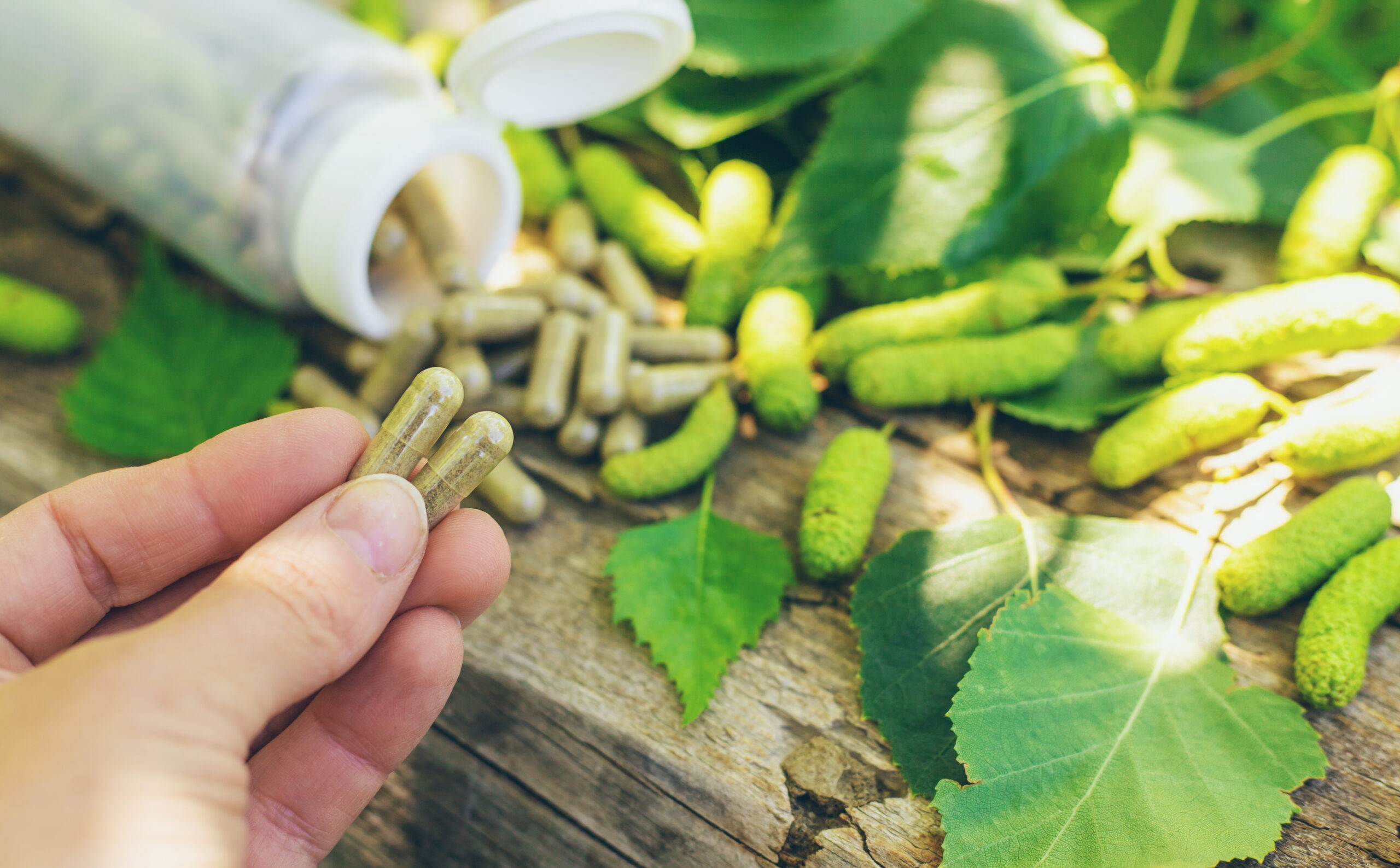 birch buds extract and supplements. Selective focus. nature.





Comments are off for this post.