Red light therapy has become a wellness trend, appearing in gyms, spas, dermatology clinics and home devices. Supporters claim benefits for skin, muscle recovery and joint pain. Here is a beginner’s guide to what it is and what the evidence actually supports.
What is red light therapy?
Red light therapy, also called photobiomodulation or low-level light therapy, exposes the body to red (about 630 to 700 nm) and near-infrared (about 800 to 880 nm) light. Researchers believe the light is absorbed by components of cells, including mitochondria, which may influence energy production and inflammation. It does not use ultraviolet light and does not tan the skin.
What it may help with
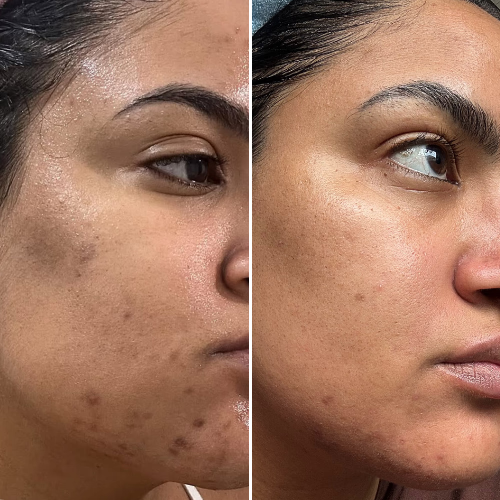
- Skin appearance: small studies suggest modest improvements in fine lines, texture and redness after several weeks of regular use.
- Acne: often combined with blue light for mild to moderate acne.
- Wound healing: studied in clinical settings to support tissue repair.
- Muscle recovery and joint pain: some research suggests benefits, but results are mixed and more high-quality studies are needed.
What is not proven
Claims about weight loss, curing hair loss in all cases, detoxifying the body or treating serious diseases are not supported by strong evidence. Be wary of devices or clinics that promise dramatic results.
Clinic vs. home device
Clinic devices are usually more powerful and used by trained staff. Home masks and panels are more convenient but lower powered, so results take longer. In Canada, devices sold with medical claims should hold a Health Canada medical device licence.
How to try it safely
- Protect your eyes with goggles, especially with bright panels.
- Follow the instructions for distance, session length and frequency.
- Check your medications; some increase sensitivity to light.
- Avoid treating areas with suspicious moles or skin cancer without medical advice.
- Talk to your doctor if you are pregnant or have a medical condition.
Is it worth it?
Red light therapy is generally low risk and may offer modest benefits for skin and some types of recovery. It works best as part of a routine that includes sun protection, good skincare, sleep and exercise. Compare options in our article on whether LED light therapy is effective.
This article is for general information and is not medical advice.












Comments are off for this post.