LED light therapy has moved from dermatology clinics into living rooms. Face masks, wands and panels promise to calm acne, soften fine lines and boost glow. But how much of this is backed by evidence? Here is a balanced look for Canadian consumers.
How LED therapy works
Light-emitting diodes deliver specific wavelengths of light to the skin. Unlike lasers, LEDs do not heat or damage tissue. Different colours reach different depths:
- Blue light (around 415 nm): targets the bacteria involved in acne near the skin’s surface.
- Red light (around 630 nm): reaches deeper and is studied for inflammation and collagen production.
- Near-infrared (around 830 nm): penetrates further and is often combined with red light.
What the research supports
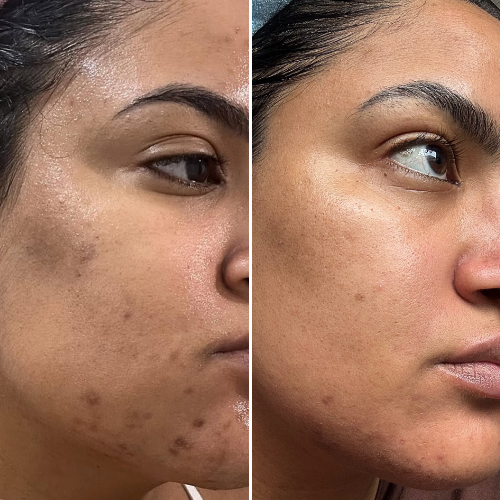
- Mild to moderate acne: several clinical studies show blue and blue-plus-red light can reduce inflammatory acne lesions, especially when used consistently.
- Signs of photoaging: some small studies report modest improvements in fine lines and skin texture with red and near-infrared light over several weeks.
- Healing and inflammation: red light is used in some clinical settings after procedures to support recovery.
What remains uncertain
Many studies are small, short or funded by manufacturers. Home devices usually emit less power than professional equipment, so results tend to be slower and subtler. LED therapy will not replace sunscreen, retinoids or medical treatment for severe acne or skin conditions.
Safety tips
- Protect your eyes. Use the goggles provided or keep eyes closed, especially with blue light.
- Check medications. Some drugs and supplements increase light sensitivity. Ask a pharmacist if you take isotretinoin, certain antibiotics or other photosensitizing medicines.
- Avoid if you have certain conditions such as photosensitive epilepsy or a history of light-triggered skin disease, unless your doctor approves.
- Buy reputable devices. In Canada, devices marketed with medical claims should hold a Health Canada medical device licence. Check the Medical Devices Active Licence Listing.
- Follow the instructions for session length and frequency; more is not better.
Home device or clinic?
|
Home device |
Clinic treatment |
| Power |
Lower |
Higher |
| Convenience |
Use any time |
Appointments required |
| Supervision |
None |
Trained staff |
| Results |
Gradual, with consistent use |
Often faster |
The verdict
LED light therapy is a low-risk option with reasonable evidence for mild acne and modest evidence for skin texture. Keep expectations realistic, use it consistently and pair it with a good skincare routine and daily sunscreen. If you have persistent skin problems, see a doctor or dermatologist. Learn more in our guide to red light therapy for beginners.
This article is for general information and is not medical advice.












Comments are off for this post.