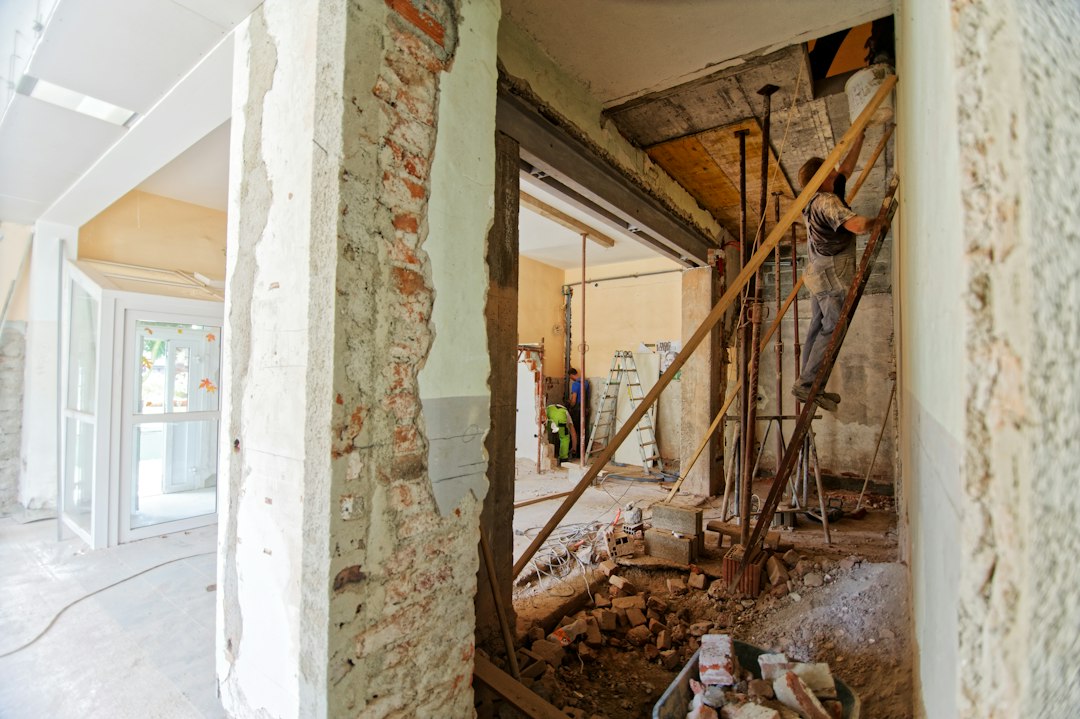
Toronto’s housing stock is full of character: Victorian row houses in Cabbagetown, post-war bungalows in Etobicoke and Scarborough, and 1960s and 1970s split-levels across the inner suburbs. Many of these homes were built when asbestos was common in building materials. If you are buying, renovating or simply maintaining an older home, here is what you need to know.
Why older homes are a concern
Asbestos was used for decades in insulation, flooring, ceilings and siding. Canada banned new asbestos products only at the end of 2018, and most asbestos use in housing had declined by the late 1980s. Homes built before 1990 should be treated as possibly containing asbestos until tested.
Common places to check
| Area of the home |
Possible asbestos materials |
| Attic |
Vermiculite insulation (grey-brown, pebble-like) |
| Basement |
Pipe and boiler wrap, duct tape and old furnace insulation |
| Floors |
9-inch vinyl tiles and black mastic adhesive |
| Ceilings and walls |
Stipple or popcorn ceilings, plaster, joint compound |
| Exterior |
Cement siding, soffits and some roofing |
Before you renovate
- Hire a professional to test. A qualified inspector collects samples and sends them to an accredited lab. Results usually take a few days.
- Plan the work around results. If asbestos is found, removal or encapsulation must be done correctly.
- Use qualified abatement contractors. In Ontario, asbestos work during construction and renovation is regulated under the Occupational Health and Safety Act and its asbestos regulation, which sets procedures based on the type of work.
- Get several quotes and ask for proof of training, insurance and air-monitoring practices.
Buying an older home
Ask the seller about known asbestos and past removals, and consider a home inspection that notes suspected materials. Inspectors usually cannot confirm asbestos without lab testing, so budget for testing if you plan major renovations.
What not to do
- Do not sand, drill, scrape or break suspected materials.
- Do not sweep or vacuum debris with a regular vacuum.
- Do not dispose of asbestos waste in regular garbage. The City of Toronto has specific rules for asbestos waste.
Peace of mind
Asbestos that is intact and undisturbed is generally lower risk. The danger comes from releasing fibres during renovation or damage. With testing and qualified professionals, you can safely update an older home.
Related: understanding asbestos exposure in Canada and why backwater valves matter for GTA homeowners.












Comments are off for this post.