Asbestos was once used widely in Canadian construction because it resists heat and fire. Canada banned the import, manufacture, sale and use of asbestos and products containing it at the end of 2018, but large amounts remain in homes, schools and workplaces built before then. Understanding where it hides and how exposure happens is key to staying safe.
What is asbestos?
Asbestos is a group of naturally occurring mineral fibres. When asbestos-containing materials are damaged, cut or sanded, tiny fibres can be released into the air. If inhaled, they can lodge in the lungs and the lining around them.
Health risks
Breathing asbestos fibres can cause serious diseases that often appear decades after exposure:
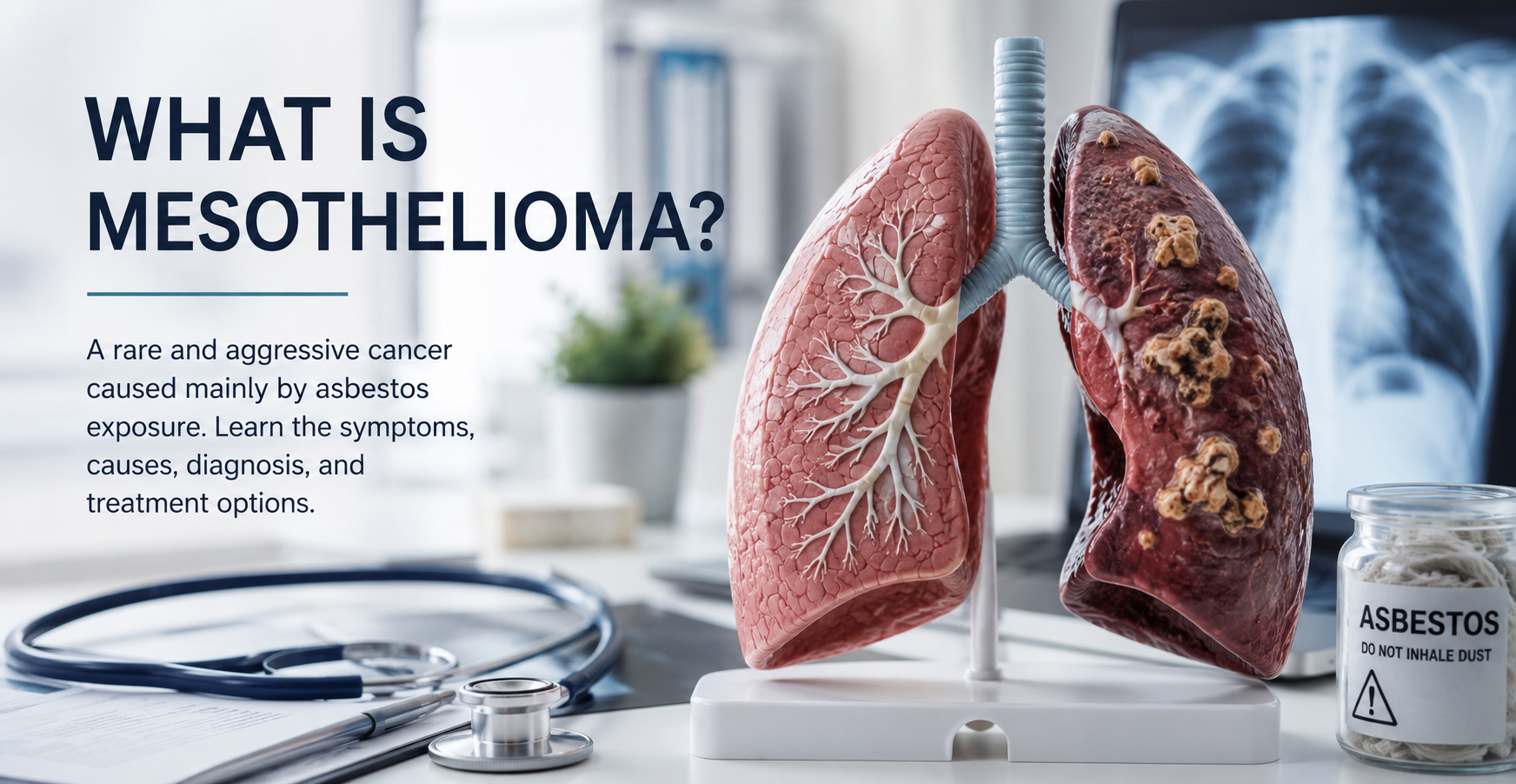
- Mesothelioma: a rare cancer of the lining of the lungs or abdomen.
- Lung cancer: risk is much higher in people exposed to asbestos who also smoke.
- Asbestosis: scarring of lung tissue that causes shortness of breath.
Asbestos has been identified as a leading cause of work-related deaths in Canada. Learn more in our article What is mesothelioma?
Where asbestos may be found
- Vermiculite attic insulation
- Pipe and boiler insulation
- Older vinyl floor tiles and adhesives
- Textured ceilings and plaster
- Cement siding, roofing shingles and drywall joint compound
Homes built before 1990 are more likely to contain asbestos. Read our guide on asbestos in older Toronto homes.
Who is most at risk?
- Construction, renovation and demolition workers
- Electricians, plumbers and HVAC technicians
- Shipyard, mining and industrial workers from past decades
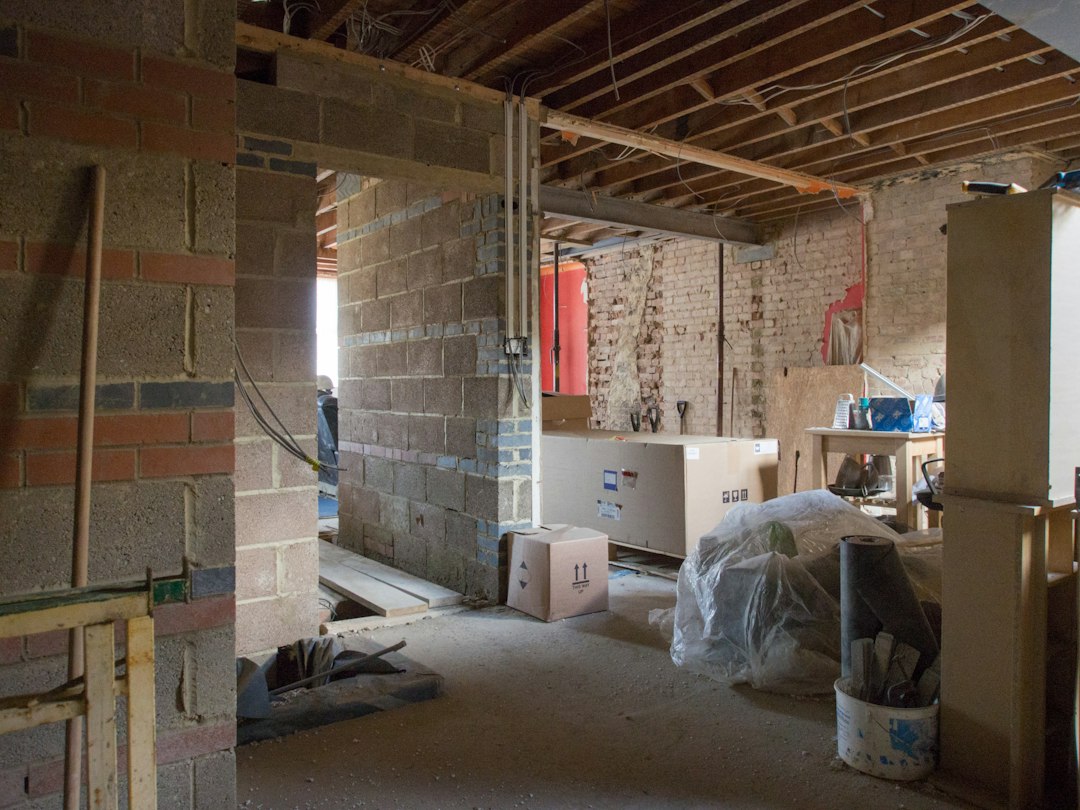
- Homeowners doing DIY renovations in older houses
How to stay safe
- Do not disturb suspected materials. Intact materials in good condition are generally lower risk.
- Test before you renovate. Hire a qualified professional to take samples for laboratory analysis.
- Use licensed abatement contractors for removal. In Ontario, asbestos work in construction is regulated under the Occupational Health and Safety Act.
- Know your rights at work. Employers must identify asbestos and protect workers. Contact the Ontario Ministry of Labour if you have concerns.
If you were exposed
Tell your doctor about past exposure, especially if you have a persistent cough, chest pain or shortness of breath. Workers who develop an asbestos-related disease may be eligible for compensation through WSIB in Ontario or the CNESST in Quebec.
This article is for general information and is not medical or legal advice.












Comments are off for this post.