




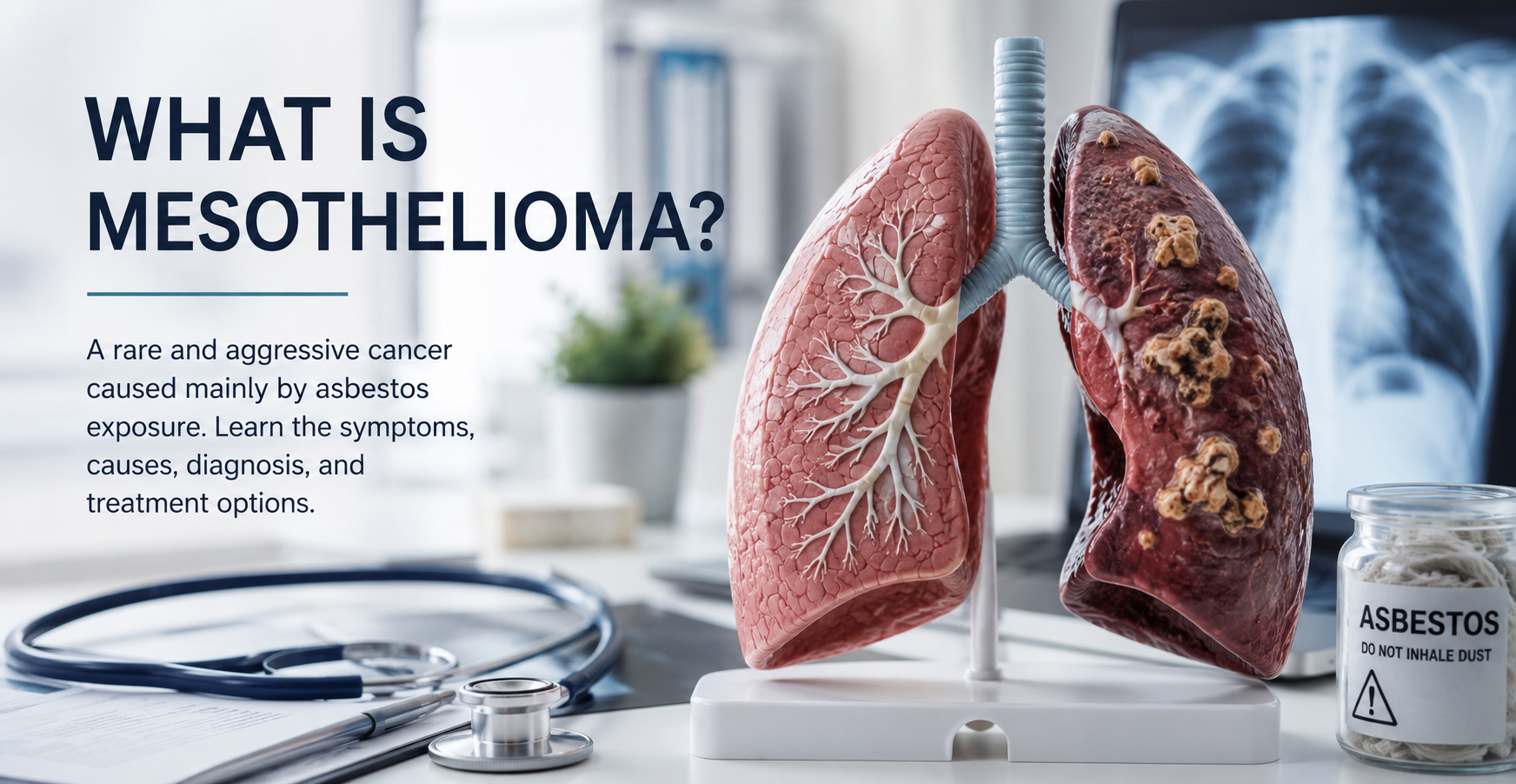
 Asbestos Exposure
Mesothelioma is a rare and aggressive cancer that develops in the mesothelium, the thin protective lining that covers many internal organs. The disease is most commonly linked to asbestos exposure, and symptoms often do not appear until 20 to 50 years after exposure. Because of this long latency period, many people are diagnosed decades after working in industries where asbestos was commonly used.
Although mesothelioma accounts for a small percentage of all cancers, it can have a significant impact on patients and their families. Understanding what mesothelioma is, how it develops, and which warning signs to watch for can help people seek medical evaluation sooner.
The leading cause of mesothelioma is exposure to asbestos fibers. When tiny asbestos fibers are inhaled or swallowed, they can become trapped in the body. Over many years, these fibers may cause chronic inflammation and cellular damage that can eventually lead to cancer.
People who have worked in occupations with a higher likelihood of asbestos exposure include:
In some cases, family members may also have been exposed through asbestos dust carried home on clothing, a situation sometimes called secondary or household exposure.
The mesothelium is a thin membrane that surrounds and protects several organs throughout the body. It helps reduce friction as organs move naturally.
Depending on where the cancer develops, mesothelioma is classified into several types.
Pleural mesothelioma affects the lining surrounding the lungs and accounts for approximately 75–80% of diagnosed cases.
Common symptoms include:
Peritoneal mesothelioma develops in the lining of the abdomen.
Symptoms may include:
This uncommon form develops in the lining surrounding the heart.
Possible symptoms include:
This extremely rare form develops in the lining around the testicles.
Possible symptoms include:
One of the challenges with mesothelioma is that early symptoms are often mild and resemble common illnesses.
Early warning signs may include:
Because these symptoms overlap with many other conditions, they should be evaluated by a healthcare professional, especially if there is a history of asbestos exposure.
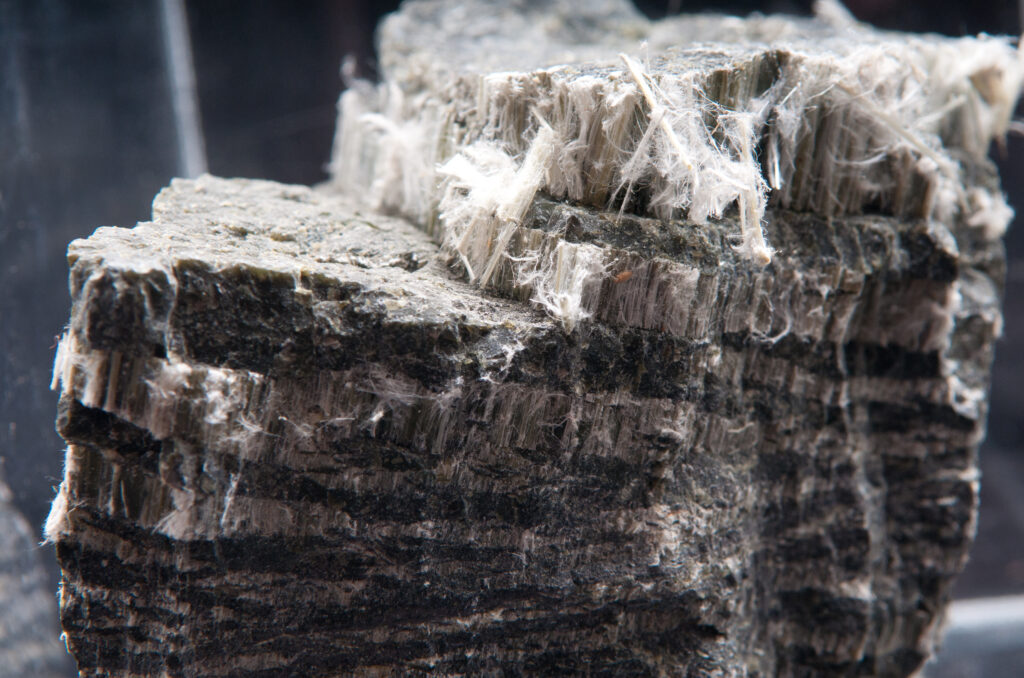
Mesothelioma has one of the longest latency periods among cancers.
Most people develop symptoms:
This is why many patients are diagnosed after retirement.
Individuals with the highest risk include:
Although asbestos regulations have reduced exposure in many countries, older buildings may still contain asbestos-containing materials.
The vast majority of mesothelioma cases are associated with asbestos exposure. However, not every person exposed to asbestos develops mesothelioma, and researchers continue to study why some individuals are more susceptible than others.
Rare factors that have been investigated include:
Symptoms vary depending on the location of the cancer.
Doctors may use several tests to diagnose mesothelioma.
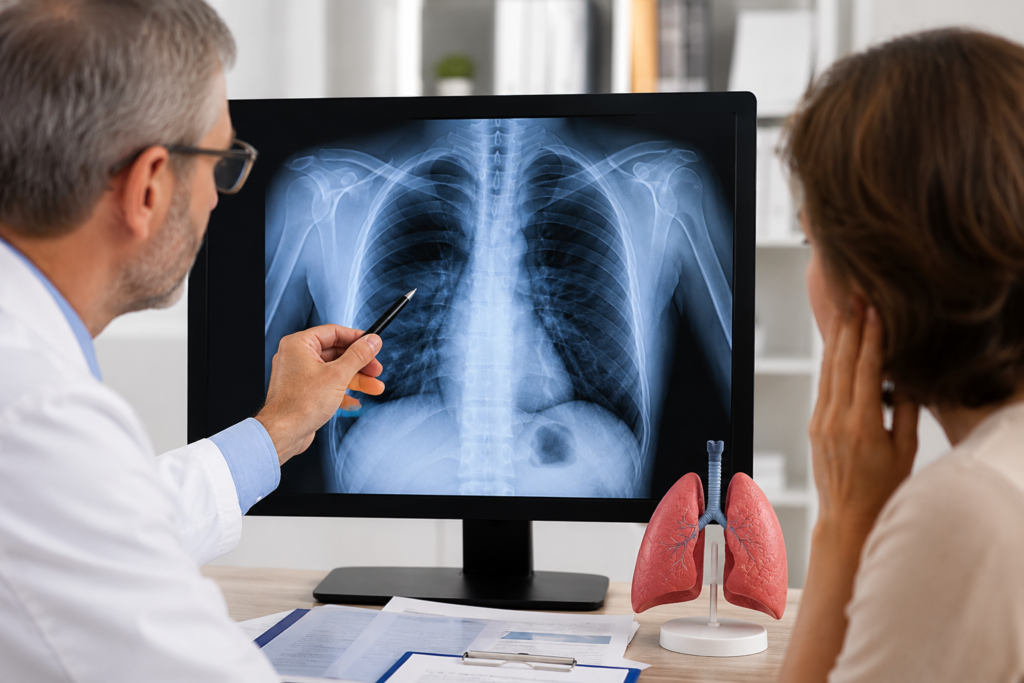
These may include:
A biopsy is generally required to confirm the diagnosis and determine the specific type of mesothelioma.
Doctors commonly classify pleural mesothelioma into four stages.
Cancer remains localized.
Cancer begins spreading into nearby tissues.
The disease has spread to nearby lymph nodes or surrounding structures.
Cancer has spread to distant parts of the body, making treatment more focused on symptom management and quality of life.
Treatment depends on factors such as:
Possible treatments include:
In selected patients, surgery may remove visible tumors and affected tissue.
Chemotherapy uses medicines to destroy cancer cells or slow their growth.
Radiation may help shrink tumors or relieve symptoms.
Some patients may benefit from medicines that help the immune system recognize and attack cancer cells.
Palliative care focuses on relieving symptoms, improving comfort, and supporting quality of life at any stage of the disease.
There is currently no guaranteed cure for mesothelioma. However, advances in surgery, systemic therapies, and supportive care have improved outcomes for some patients. Treatment plans are individualized based on the type and stage of the disease and should be discussed with a qualified medical team.
The best prevention is avoiding asbestos exposure.
Important safety measures include:
Receiving a diagnosis can be overwhelming. Many patients benefit from a care team that may include medical specialists, nurses, rehabilitation professionals, nutrition experts, counselors, and support groups. Staying informed and maintaining open communication with healthcare providers can help patients and families make decisions that align with their goals and values.
Mesothelioma is a cancer that develops in the protective lining surrounding certain internal organs, most commonly the lungs.
Most cases are associated with past asbestos exposure.
Early symptoms may include persistent cough, fatigue, chest discomfort, and shortness of breath.
Symptoms often develop 20 to 50 years after exposure.
No. It is a cancer of the lining around the lungs, not the lung tissue itself.
Yes. Although historically more common in men because of occupational exposure patterns, women can also develop mesothelioma.
Most cases are not inherited, though certain genetic factors may influence susceptibility.
Smoking does not cause mesothelioma, but it can increase the risk of other serious lung diseases.
Some people experience chest pain, abdominal pain, or discomfort, while symptoms vary between individuals.
Early detection can be difficult because symptoms are often nonspecific and may not appear for decades after exposure.
Understanding what mesothelioma is, recognizing its possible symptoms, and knowing the importance of a history of asbestos exposure are key steps toward timely medical evaluation. While mesothelioma remains a serious disease, ongoing research continues to improve diagnosis and treatment options. If you have persistent symptoms or believe you were exposed to asbestos in the past, consult a qualified healthcare professional for an appropriate evaluation.








Comments are off for this post.