Quick answerLiving in Toronto in 2026 costs most single renters roughly $3,500 to $4,000 a month, and a family of four around $7,000. Rent is the biggest piece: the Rentals.ca and Urbanation report for September 2026 put the average one-bedroom at $2,220 and two-bedroom at $2,937. TTC rides cost $3.30, capped at $155.10 a month.
Cost of living in Toronto in 2026: the short version
Toronto is still one of the most expensive places to live in Canada, but 2026 has brought a little relief on one front: rent. After years of steep increases, asking rents have flattened and in some cases dipped. Food, on the other hand, keeps climbing. Below is a practical breakdown of the main costs, using the most recent published figures, plus sample monthly budgets you can adapt to your own situation.
One note on method: rent, transit and grocery numbers come from named reports and official fare tables. The sample budgets further down are planning estimates, not survey data, and your own costs will vary with your neighbourhood, lifestyle and household.
Rent in Toronto by unit type
The Rentals.ca and Urbanation national rent report covering September 2026, published in October, put Toronto’s average asking rent across all property types at $2,556 a month. Nationally, average asking rents were $2,034, down 4.2 per cent from a year earlier.
| Unit type (Toronto) | Average asking rent, Sept. 2026 | Change from a year earlier |
|---|
| One-bedroom (all property types) | $2,220 | Down 2.3% |
| Two-bedroom (all property types) | $2,937 | Up 0.8% |
| Three-bedroom (purpose-built and condo apartments) | $3,586 | Up 1.8% |
| All units | $2,556 | n/a |
Those are averages of advertised rents for new leases, so they are a good guide if you are moving now. If you have been in the same rent-controlled unit for years, you are likely paying well below these numbers. Expect higher prices downtown, in Yorkville, King West and the waterfront condo towers, and somewhat lower rents in parts of Scarborough, Etobicoke and North York further from the subway.
Getting around: TTC, GO and driving
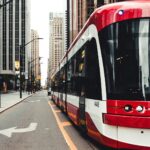
Transit changed this year. The TTC discontinued most monthly passes, including the Adult Monthly Pass, on August 31, 2026, and replaced them with monthly fare capping. Here is how it works now:
- An adult fare is $3.30 with PRESTO or a debit or credit card tap, or $3.35 in cash.
- A two-hour transfer lets you hop on and off without paying again within that window.
- After 47 paid fares in a calendar month on the same card or phone, the rest of your TTC rides that month are free. At $3.30 a ride, that caps your spending at about $155.10 a month.
- Post-secondary students can still buy a monthly pass for $128.15, and an adult 12-month pass is available at $143 a month.
If you commute from Mississauga, Brampton, Vaughan or Durham, the One Fare program means a transfer between the TTC and GO Transit or most GTA local systems is free when you tap with PRESTO, debit or credit. GO fares are distance-based, so a daily trip from Oshawa or Milton costs considerably more than a TTC-only commute.
Owning a car adds insurance, gas, maintenance and parking. Ontario auto insurance in the GTA, especially in Brampton and parts of North York, is among the most expensive in the country, and a downtown condo parking spot can add a few hundred dollars a month on its own.
Groceries and everyday spending
Canada’s Food Price Report 2026, from Dalhousie University and partner schools, forecast food prices rising 4 to 6 per cent this year and estimated a family of four would spend about $17,572 on food in 2026, up to $995 more than in 2025. That works out to roughly $1,460 a month. The report also flagged Ontario as one of the provinces expected to come in above the national average.
For a single person cooking most meals at home, many Torontonians budget somewhere in the range of $400 to $550 a month. Shopping at discount chains like No Frills, FreshCo, Food Basics and Walmart, and using markets such as Kensington or St. Lawrence for produce on sale, can make a real difference.
Utilities, phone and internet
Utilities depend heavily on the type of home. In many condo and apartment rentals, heat and water are included, and tenants pay only hydro, which is usually modest in a one-bedroom. In a house or a townhouse in Leslieville or the Junction, you may pay separately for hydro, natural gas heating and water, and winter heating bills can be much higher than summer ones. Always ask what is included before signing a lease.
Add a phone plan and home internet, which together often run around $100 to $180 a month depending on the provider and data, and tenant insurance, which landlords increasingly require.
Sample monthly budgets for 2026
These are illustrative planning budgets based on the average rents above and typical spending patterns. They are not official figures.
| Expense | Single (one-bedroom) | Couple (one-bedroom) | Family of four (three-bedroom) |
|---|
| Rent | $2,220 | $2,220 | $3,586 |
| Utilities and tenant insurance | $120 | $150 | $300 |
| Phone and internet | $120 | $180 | $220 |
| Groceries | $475 | $850 | $1,460 |
| Transit (TTC, capped) | $155 | $310 | $310 plus youth fares |
| Personal, dining, clothing, other | $450 | $700 | $1,000 |
| Approximate total | $3,540 | $4,410 | $6,876 or more |
The family budget does not include child care, which can be the largest cost after housing. Ontario’s $10-a-day child care program has lowered fees for many families, but spaces are limited and wait lists in Toronto are long. A car, savings, debt payments and gifts are also left out.
Cheaper alternatives around the GTA
If those numbers are a stretch, looking just outside the city can help, though you should weigh the commuting cost and time. Average asking rents across all property types in September 2026, according to the same Rentals.ca and Urbanation report:
- Hamilton: $1,910, with GO train service on the Lakeshore West line
- Oshawa: $1,993, at the end of the Lakeshore East GO line
- Brampton: $2,261, on the Kitchener GO line
- Mississauga: $2,337, with MiWay connections to the TTC
- Vaughan: $2,363, at the north end of Line 1
- Burlington: $2,379
- Oakville: $2,460
Hamilton and Oshawa offer the biggest savings, but a daily GO commute to Union can eat into them. Vaughan is the easiest suburban option for subway access, since Vaughan Metropolitan Centre is on Line 1.
The bottom line
In 2026, a single renter in Toronto should plan on about $3,500 to $4,000 a month, a couple sharing a one-bedroom around $4,400, and a family of four around $7,000 before child care. Rents have stopped climbing for now, the new TTC fare cap limits transit spending to about $155 a month, and groceries remain the cost to watch. If the city is out of reach, Hamilton, Oshawa and Brampton offer meaningfully lower rents with GO connections back to downtown.
Frequently asked questions
What is the average rent in Toronto in 2026?
According to the Rentals.ca and Urbanation report for September 2026, Toronto's average asking rent was $2,556 across all units, with one-bedrooms at $2,220 and two-bedrooms at $2,937.
Is there still a TTC monthly pass?
Most TTC monthly passes, including the adult pass, ended on August 31, 2026. They were replaced by fare capping: after 47 paid fares in a month on the same card, the rest of your rides are free.
How much do you need to earn to live comfortably in Toronto?
A common rule is to keep rent near 30 per cent of gross income. For a $2,220 one-bedroom, that means earning roughly $89,000 a year, though many people share or spend a larger share on housing.
You may also search for:Mortgage Calculator Guide for CanadaGTA Real Estate Market UpdateUnderstanding APR in CanadaFree Financial Tools for Canadians
Information current as of October 2026. Rates, fares and rules change: check official sources (ontario.ca, toronto.ca, ttc.ca) before making decisions.










Comments are off for this post.