Quick answerThe best day trips from Toronto include Niagara Falls and Niagara-on-the-Lake, Hamilton's waterfalls, Elora Gorge, St. Jacobs, Stratford, Blue Mountain, Muskoka, Prince Edward County and, for a long day, Algonquin Park. Most are 1 to 3 hours away by car. Niagara Falls and Hamilton are the easiest without a car, by GO train.
Best day trips from Toronto at a glance
One of the best things about living in Toronto is how quickly you can leave it. Within an hour or three of Union Station you can stand beside one of the world’s most famous waterfalls, hike a limestone gorge, sip wine in a converted barn or paddle a lake in Algonquin. Here are the trips worth taking, with honest notes on travel time and whether you can do it without a car.
Drive times below are approximate from downtown Toronto in normal traffic. Leaving on a Friday afternoon in summer, or hitting the QEW or Highway 400 on a long weekend, can add an hour or more.
| Destination | Approx. distance | Approx. drive | Without a car | Best season |
|---|
| Hamilton waterfalls | 70 km | 1 hour | GO train or bus to Hamilton, then local bus or taxi | Spring, fall |
| Niagara Falls | 130 km | 1.5 hours | GO train, year-round | Year-round |
| Niagara-on-the-Lake | 130 km | 1.5 hours | Possible via Niagara Falls, but easier by car or tour | Summer, fall |
| Elora Gorge | 120 km | 1.5 hours | Difficult; car recommended | Summer, fall |
| St. Jacobs | 120 km | 1.5 hours | GO train to Kitchener, then local transit | Year-round |
| Stratford | 150 km | 2 hours | VIA Rail | Spring to fall |
| Blue Mountain and Collingwood | 160 km | 2 hours | Limited; car recommended | Winter, summer, fall |
| Muskoka | 170 to 200 km | 2 to 2.5 hours | Ontario Northland coach | Summer, fall |
| Prince Edward County | 220 km | 2.5 hours | Car needed | Summer, fall |
| Algonquin Park (Highway 60) | 260 km | 3 hours | Seasonal private shuttles only | Late September, early October |
Niagara Falls and Niagara-on-the-Lake
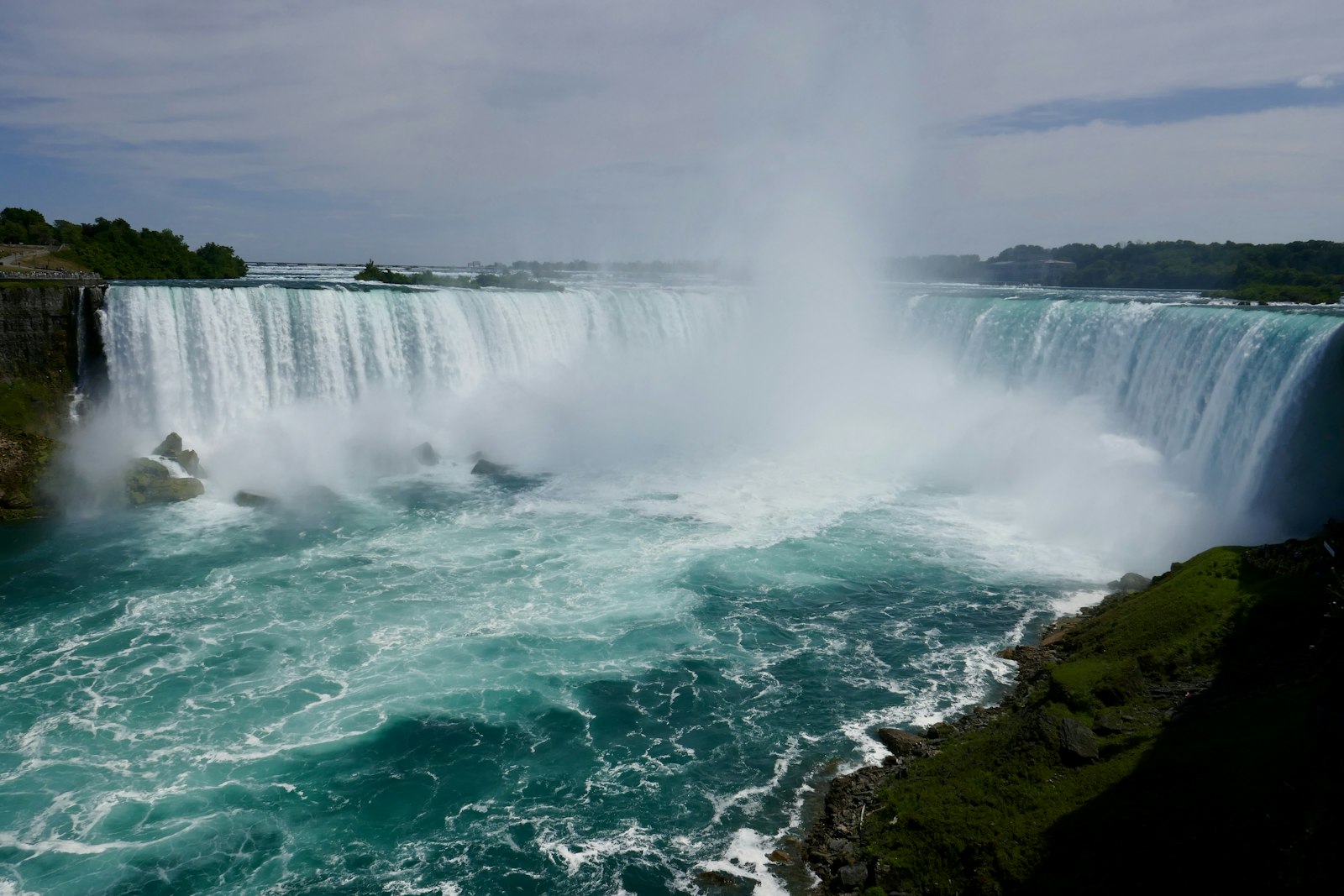
The classic. Niagara Falls is about an hour and a half down the QEW, and it is also the easiest major day trip by transit. GO Transit serves Niagara Falls year-round, with weekday trains and extra weekend and holiday trips on the Lakeshore West line. In spring 2026, weekend service was running four trains each way per day after resuming following a freight derailment near St. Catharines, so check the latest GO schedule before you go. When no train fits your plans, take the Lakeshore West train to Burlington and transfer to GO bus route 12, which stops across from the Niagara Falls GO station.
From the station, it is a walk or a short local bus ride to the falls and Clifton Hill. Go early or on a weekday to avoid crowds.
Niagara-on-the-Lake, about 20 minutes north of the falls, is a different experience: a pretty heritage town, the Shaw Festival and dozens of wineries. It is best by car, by bike from town, or on an organized wine tour, since getting there from the GO station takes more planning.
West of the city: Hamilton, Elora and St. Jacobs
Hamilton’s waterfalls
Hamilton calls itself the waterfall capital of the world, with more than 100 falls along the Niagara Escarpment. Popular picks include Albion Falls, Webster’s Falls and Tew’s Falls in Spencer Gorge, and Devil’s Punchbowl in Stoney Creek. You can reach Hamilton on the GO Lakeshore West line or GO buses, then use local HSR buses, a taxi or a rideshare to the trailheads. Spring, when snowmelt fills the falls, and October, for fall colours, are best. Some sites, including Webster’s and Tew’s, have required advance parking reservations on busy weekends, so check before you go.
Elora Gorge and St. Jacobs
These two pair well. Elora Gorge, run by the Grand River Conservation Authority, has dramatic limestone cliffs, swimming at the quarry and summer tubing on the Grand River. The village of Elora has cafes, shops and the Elora Mill. It is hard to reach without a car. In peak summer, reserve your day-use pass online ahead of time.
St. Jacobs, north of Waterloo, is best known for the St. Jacobs Farmers’ Market, open on Thursdays and Saturdays, with extra days in summer. You will see Mennonite horse-drawn buggies on country roads nearby. Without a car, take the GO Kitchener line to Kitchener and connect to Grand River Transit.
About two hours away: Stratford, Blue Mountain and Muskoka
Stratford
Stratford is synonymous with the Stratford Festival, which runs roughly from spring to late fall, with matinees that make a day trip easy. Beyond the theatre, the Avon River, swans and a strong restaurant scene make it a lovely walking town. VIA Rail runs trains from Union Station to Stratford, though service is limited, so book your train around your show time.
Blue Mountain and Collingwood
About two hours north on Highway 400 and Highway 26, Blue Mountain is Ontario’s best-known ski resort in winter and a hiking, mountain biking and patio destination in summer. Collingwood’s harbour and the Bruce Trail are good add-ons. Public transit options are limited, so this is really a car trip. Leave early on winter weekends; Highway 400 traffic from Vaughan north can be heavy.
Muskoka
Cottage country starts about two hours north. Gravenhurst, Bracebridge and Port Carling make easy bases for a day of lake views, a steamship cruise on Lake Muskoka, waterfall stops and a lunch on a dock. Ontario Northland coaches serve towns along Highway 11 from Toronto. Late September and early October bring excellent fall colours, but book any cruise ahead.
Worth the long day: Prince Edward County and Algonquin
Prince Edward County
The County, about two and a half hours east along Highway 401, is a long but rewarding day: wineries and cideries, farm stands, Picton’s main street and the beaches at Sandbanks Provincial Park. Summer weekends at Sandbanks often require reserved day-use permits through Ontario Parks, so plan ahead. You need a car; there is no practical transit for a day trip.
Algonquin Park
Algonquin is the most ambitious trip on this list, about three hours each way to the Highway 60 corridor. Arrive early to hike the Lookout Trail or Track and Tower Trail, rent a canoe at Canoe Lake, and watch for moose near the highway in spring and fall. The fall colour peak usually comes in late September and early October, when parking lots fill early, so reserve your daily vehicle permit online. Without a car, seasonal private shuttles such as Parkbus have offered trips in past seasons; check what is running.
Tips for a smoother day trip
- Leave early. Beating traffic out of the city on the Gardiner, QEW or 400 can save an hour.
- Reserve ahead. Many parks and conservation areas now require advance day-use or parking reservations in peak season.
- Check GO schedules the night before, since weekend track work can affect service.
The bottom line
For an easy car-free day, Niagara Falls by GO train and Hamilton’s waterfalls are the top picks. With a car, Elora and St. Jacobs, Stratford and Blue Mountain are comfortable day trips, while Prince Edward County, Muskoka and Algonquin reward an early start. Check GO and VIA schedules, reserve park passes in peak season, and time trips for spring waterfalls, summer beaches or fall colours.
Find Hotels for Your Trip
Compare hotel prices and availability and book securely on Expedia.
Prefer to browse? Search hotels on Expedia. Toronto GTA News may earn a commission when you book through these links, at no extra cost to you.
Frequently asked questions
Can you get to Niagara Falls from Toronto by GO train?
Yes. GO Transit runs trains to Niagara Falls year-round, with weekday trips and added weekend and holiday service. GO bus route 12 from Burlington is a backup option. Check current schedules before you travel.
What is the best day trip from Toronto without a car?
Niagara Falls is the easiest, by GO train from Union Station. Hamilton by GO train and Stratford by VIA Rail are also good car-free options, with some local transit at the other end.
When is the best time to see fall colours near Toronto?
In Algonquin and Muskoka, colours usually peak in late September to early October. Areas closer to Toronto, like Hamilton and the Niagara Escarpment, tend to peak a little later in October.
You may also search for:GTA Real Estate Market UpdateUnderstanding APR in CanadaFree Financial Tools for CanadiansFree and Low-Cost Fitness in Toronto
Information current as of October 2026. Rates, fares and rules change: check official sources (ontario.ca, toronto.ca, ttc.ca) before making decisions.










Comments are off for this post.