High Park is Toronto’s best-known large park, in the city’s west end, with a large pond, oak savannah, a historic house museum, an animal display and the city’s most famous cherry blossoms. It is easy to reach by subway and busy all year. This guide covers the main attractions, current closures, and the parking and road rules that confuse many first-time visitors.
At a glance
- Vehicle entrance: Parkside Drive at High Park Boulevard; exit: Bloor Street West at High Park Avenue
- Subway: High Park station on Line 2 Bloor-Danforth
- Parking: 276 spaces inside the park; not available during peak cherry blossom days
- Cars: visitor vehicles allowed Monday to Friday only, not on weekends or statutory holidays
- Animal Display: closed from October 13, 2026 until spring 2027
- Cherry blossoms: usually late April to early May, lasting about 4 to 10 days
Cherry blossoms in High Park
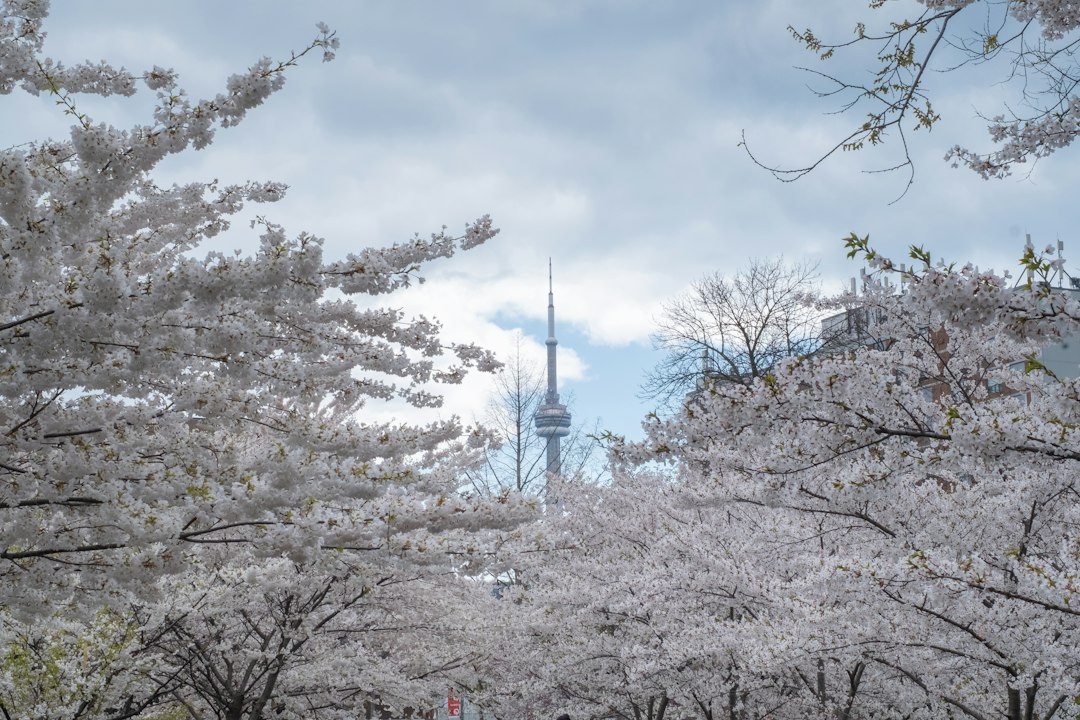
The cherry trees are the park’s biggest draw. According to the City of Toronto, in 1959 Japan’s ambassador to Canada presented 2,000 Somei-Yoshino cherry trees to Toronto on behalf of the citizens of Tokyo, in thanks for the city’s acceptance of Japanese-Canadians relocated after the Second World War. Many were planted on the hillside above Grenadier Pond. More trees were donated in 1984, 2001 and 2006, and new trees were planted in 2019 for the gift’s 60th anniversary.
Peak bloom typically falls in late April or early May and lasts between four and 10 days, depending on the weather. The High Park Nature Centre publishes a Blossom Watch to help you time a visit.
Rules during peak bloom
- Private vehicles and visitor parking are not allowed in the park; only TTC buses and Wheel-Trans vehicles can enter.
- Don’t climb the trees, pull branches or pick blossoms.
- Stay on paths and take your litter home.
If the High Park crowds are too much, the City lists other blossom spots including Trinity Bellwoods Park, Edwards Gardens, Centennial Park in Etobicoke, Exhibition Place, Toronto Island Park, Woodbine Park and York University.
High Park Animal Display (the “zoo”)
Established in 1893, the High Park Animal Display is described by the City as Canada’s oldest animal attraction. It houses animals including bison, llamas, peacocks, reindeer and highland cattle. It is closed to visitors from October 13, 2026 until spring 2027 while Deer Pen Road is improved. Check the City’s High Park page for the reopening date before planning a visit with children.
Grenadier Pond, gardens and Colborne Lodge
Grenadier Pond
The large pond on the park’s west side was designated a Provincially Significant Wetland Complex by Ontario’s Ministry of Natural Resources and Forestry in 2022. Fishing is permitted along a designated stretch of shoreline.
Hillside Gardens
A mix of cultivated and natural plantings with small water features, popular for photos in summer. Our Toronto photo spots guide includes more.
Colborne Lodge
At the south end of the park, Colborne Lodge was built in 1837 by John and Jemima Howard. It is now a City of Toronto museum.
Trails and nature
About two-thirds of High Park remains in a natural state. Its Black Oak savannah covers roughly 23 hectares, the largest tallgrass savannah, prairie and woodland area in Toronto. These habitats are fragile, so the City asks visitors to stay on sidewalks and formal trails. Unpaved trails are not maintained in winter, so wear proper footwear in the colder months. The paved park roads are popular for walking, running and cycling, especially on car-free weekends; see our list of free and low-cost fitness options in Toronto.
Kids and dogs
- Jamie Bell Playground: next to the Duck Pond, with castle tops, ropes, swings, ladders and slides.
- Dog off-leash areas: along the east side of Colborne Lodge Drive north of Centre Road, and near the east edge of Allotment Lane. Dogs must be leashed everywhere else.
Getting there and parking
By TTC
High Park station on Line 2 is across Bloor Street from the park’s north edge. The seasonal 203 bus runs into the park from High Park station, and the 506 streetcar reaches the High Park Loop. Our TTC guide covers fares and transfers.
By car
Visitor vehicles may use the park roads Monday to Friday, except on statutory holidays and during peak cherry blossom season. The park has 276 parking spaces in total, including 142 at the Grenadier Café lot and 79 at the zoo lot. On weekends, plan to park on surrounding streets (follow posted signs) or use transit.
Suggested half-day visit
- Arrive at High Park station and enter at Bloor Street West.
- Walk south through the park toward Grenadier Pond and the hillside cherry trees (in spring) or Hillside Gardens (in summer).
- Stop at the Jamie Bell Playground by the Duck Pond if you have children.
- Continue to Colborne Lodge at the south end of the park.
- Leave via the south side toward the waterfront, or loop back north to the subway.
Washrooms, food and some facilities are seasonal, so bring water and snacks outside the summer months. If you are new to the city, our newcomer checklist and best neighbourhoods guide cover the west-end areas around the park, such as Roncesvalles and Bloor West Village.
Seasonal tips
- Spring: visit early on a weekday morning during bloom.
- Summer: combine the park with Sunnyside Beach to the south; see our Toronto beaches guide.
- Fall: the oak woodland is at its most colourful.
- Winter: the roads stay car-free on weekends, and the park is quieter. More ideas in things to do in Toronto in winter.
Frequently asked questions
When do the High Park cherry blossoms bloom?
Usually between late April and early May. Peak bloom lasts about four to 10 days depending on the weather.
Is the High Park Zoo open?
No. The Animal Display is closed from October 13, 2026 until spring 2027 for road improvements.
Can you drive into High Park on weekends?
No. Visitor vehicles are allowed Monday to Friday only, and not on statutory holidays or during peak blossom days.
What is the closest subway station to High Park?
High Park station on Line 2 Bloor-Danforth.
Last updated: November 2026





Comments are off for this post.